
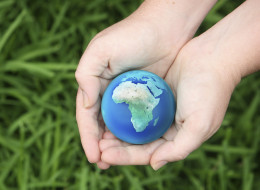
The New Warrior’s Cry: Veni Vidi Vigilo – I Came, I Saw, I Protect
First published in the Huffington Post, September 8th, 2015 Since Julius Caesar pronounced his famous words, "Veni, Vidi, Vici" -- "I came, I saw, I conquered" -- it has been the mantra for financial progress, military victory, and sexual success. But a few months ago, Pope Francis eloquently and convincingly called for a different relationship to our common home: "Each community can
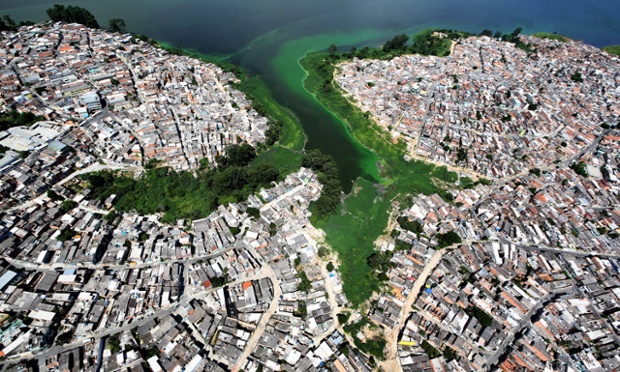
Why Brazil’s megadrought is a Wall Street failure
First published in the Guardian on April 10th, 2015 It’s hard to overestimate the appalling environmental and economic crisis that’s brewing in Brazil right now. The country is in the grip of a crippling megadrought – the result of pollution, deforestation and climate change – that deeply threatens its economy, society and environment. And the damage may be permanent: São
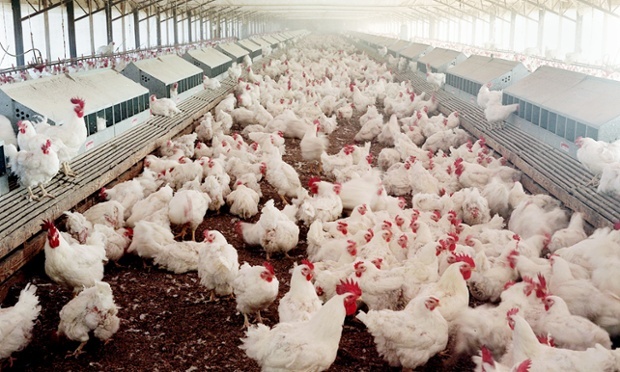
From antibiotics to fossil fuels: the inconvenient truth about sustainability
First published in the Guardian on April 6th, 2015 Humans are predictable. We routinely create extraordinary things and then disregard their impact and consequences because of our desire for convenience, comfort or profit. It’s easy to see why we’d want to take the shortsighted view: these pleasures and conveniences are compelling, at least until we realize they’re inflicting death by

Togetherness Interruptus: Civil Society in the Age of the Smartphone
First published in The Huffington Post, December 12th, 2014 Every business and government speaks of "civil society" on a regular basis. It is the euphemism for engaging with the nonprofit world. But there is another meaning for the phrase "civil society." It means being civil to one's neighbors and strangers on the street, and nurturing a social environment -- in
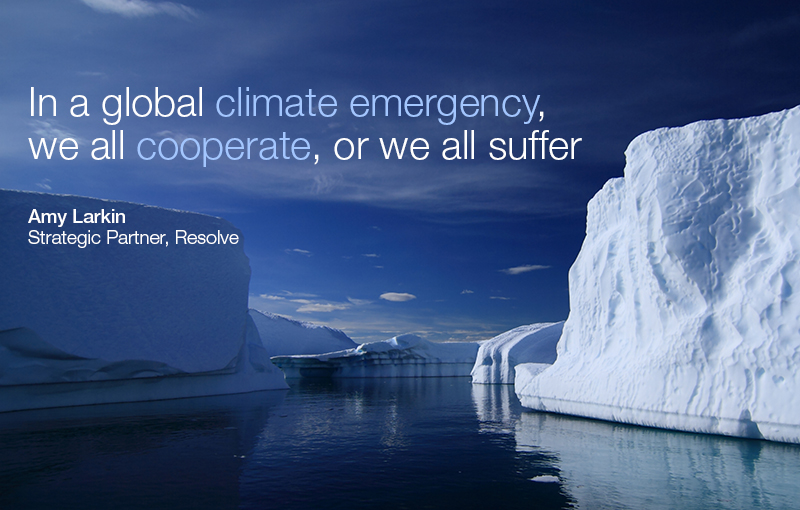
Aligning the rules of business and the laws of nature
First published by the World Economic Forum “You don’t need a weatherman to know which way the wind blows,” Bob Dylan famously sang. You don’t need the UN secretary-general to know that climate change has arrived early – ahead of scientists’ most dire predictions. But the messages resounding from the global stage are encouraging. There is now a clarion call for
Why developed countries should subsidize a global price on carbon
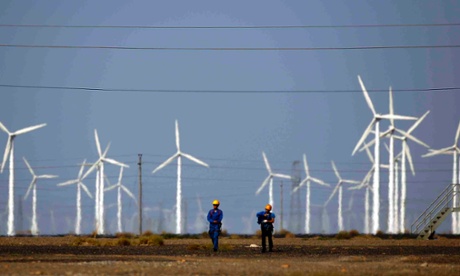
First published in the Guardian, August 26, 2014 "We demonstrated that the whole is greater than the sum of its parts.” - the late Republican senator Howard Baker (Tennessee), co-sponsor of the Clean Air Act of 1970 A wise Grenadian recently asked me this very clear question: My country is poor and we recently discovered oil, which will make us
The cost of cancer: why health impacts belong on company balance sheets
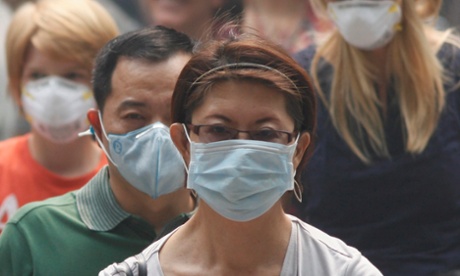
First published in the Guardian, August 18th, 2014 Like so many of us, I have personal experience with cancer. I’ve had it twice, and so have both of my parents, six aunts and numerous friends. Just last month, someone very close to me was diagnosed with invasive breast cancer. These illnesses are more than just statistics. They require the patient,
Biomimicry Lessons for Business on Triple Pundit
This article featuring Amy's recent talk at a BiomimicryNYC event was originally published on Triple Pundit by Raz Godelnik: How do we create a better future? How do we redesign our economic system to be more sustainable? Exploring these and similar questions, a growing number of people look for inspiration from the greatest lab of all: Nature. This type of exploration already
Radical cooperation is the only antidote to climate chaos
First published in the Guardian on June 20th, 2014 Throughout the 20th century, millions of people banded together in nonviolent revolutions across the globe to secure their freedom. From India to Czechoslovakia, South Africa to Poland, they declared their right to self-determination. Why, in the 21st century, are so few of us ready to fight together to secure our right to
Fossil fuels and peace don’t mix
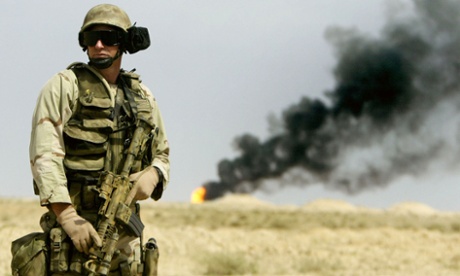
First published in the Guardian on June 4th, 2014. Why doesn't anyone do anything about the situation in Ukraine? One reason is that Russia supplies one third of the European Union’s oil and gas. The EU, in turn, represents 20% of the world’s economy, and any precipitous rise in the energy prices they pay is a very scary proposition. In
Forbes’ Inspiring Social Entrepreneur Ideas
This Forbes website list of inspiring social entrepreneur ideas highlights Amy's proposal for accelerated depreciation for green infrastructure. See more of her thoughts on the issue here. From the Forbes list: #3. Corporations harm the environment but many don’t want to. Amy Larkin, author of Environmental Debt: The Hidden Costs of a Changing Global Economy explained the connection between the growing environmental crisis
Climate change survival: companies need courage… and new metrics
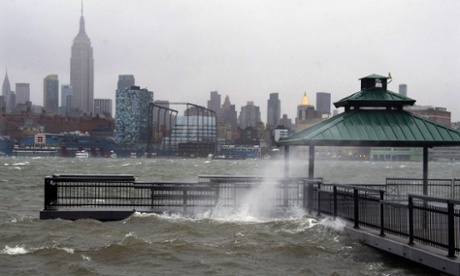
First published in the Guardian on April 24th, 2014. Today, tremendous work is being done to develop the metrics of natural capital. All kinds of very smart people and organizations are making the "business case" for sustainability, making tortuous calculations as they analyze the life cycles, carbon production and water footprints of a variety of products, all in an attempt to

A simple accounting change can make green infrastructure more attractive
First published in the Guardian, April 8th 2014 Many businesses struggle with the question of how to invest in large fixed assets. These are painstaking decisions, because they always demand long-term thinking and guessing about markets, future technologies and risk factors. How much revenue will a new factory generate? How much savings will a new technology produce? What unintended consequences

Feelings, not facts: negotiating for a new business paradigm
First published in the Huffington Post, March 6th, 2014 When I first started working with corporations on transformative green technologies, I would discuss my excitement to other environmentalists, and they would retort: "But they're only doing that because they're greedy... not because it's the right thing." I would reply, "Who are we, the morality police? They're taking a great leap

On steroids and quarterly reports: short-term fixes can screw up the system
First published in the Guardian, February 17th, 2014 Something – maybe a bat, although nobody was certain – recently bit my good friend Arnie. What happened next is an allegory for how short-term fixes can really screw up a system, whether it's an ecosystem or an immune system or, while we're at it, a financial system. Erring on the side
Human error: how business can learn from past mistakes
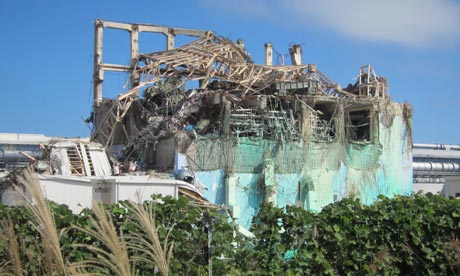
First published in the Guardian on February 7th, 2014 There are at least two areas where I agree with most major religions. First, we must treat one another with compassion and kindness – the golden rule of do unto others as you would have them do unto you applies. Second, humans are inherently imperfect. We make terrible mistakes and we
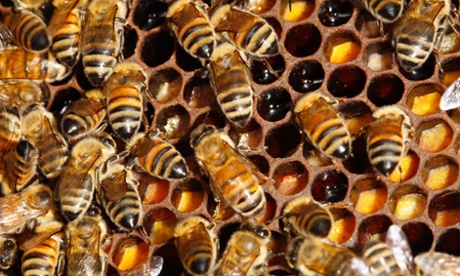
The sharks and the bees: what nature’s patterns teach us about sourcing
First posted in the Guardian, January 22, 2014 "Although human subtlety makes a variety of inventions by different means to the same end, it will never devise an invention more beautiful, more simple, or more direct than does nature, because in her inventions nothing is lacking, and nothing is superfluous." – Leonardo da Vinci When sharks, honeybees and other animals forage
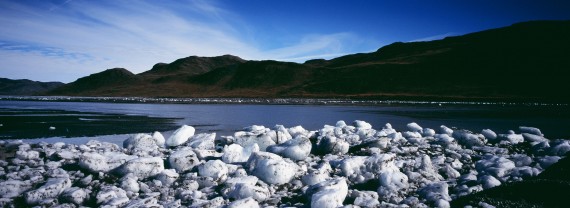
Mutually Assured Survival
By Amy Larkin and Siddhartha Velandy This post was originally published on the Huffington Post on January 10th, 2014 and co-authored by Siddhartha Velandy, a Major in United States Marine Corps Reserve and author of The Green Arms Race: Reorienting the Discussion on Climate Change, Energy Policy, and National Security, 3 HARV. NAT'L SEC. J. 309 (2012). The views expressed

Social impact: the Guardian’s top 5 stories of 2013
Amy's column "How West's throwaway culture destroys basic freedoms in China" was listed as one of the Top 5 social impact stories of 2013 by the Guardian Sustainable Business. See all of Amy's contributions to the Guardian here.
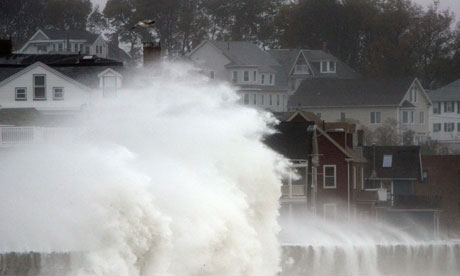
Embrace the bad stuff: turning crisis into opportunity
First published in the Guardian, December 19, 2013. My years of work as a radical environmentalist in concert with multinational business has inspired me to believe that we can change our mindset from "Why don't they?" to "Why don't we?" So many engineers and executives demonstrate courage, tenacity and creativity when faced with regulation or resource constraint in the pipeline.